 6733 8810
Endometriosis Treatment in Singapore

Dr Christopher Ng
Consultant Obstetrician & Gynaecologist
MBBS (Imperial College, UK), MMed (O&G) (S’pore), FRANZCOG (Aust-NZ), FAMS (O&G) (S’pore)
Endometriosis is a chronic gynaecological condition that affects approximately one in 10 women of reproductive age. For many women, endometriosis can have a significant impact on daily life. Symptoms may include painful periods, pelvic pain, heavy menstrual bleeding, pain during intercourse and difficulties with fertility. While some women experience noticeable symptoms, others may only discover the condition during investigations for infertility or persistent pelvic discomfort.
Early assessment can help identify the cause of your symptoms and guide appropriate treatment. Depending on the severity of the condition, management may involve medication, hormonal therapy, lifestyle modifications or surgery. The goal is to reduce symptoms, preserve fertility where appropriate and improve quality of life.
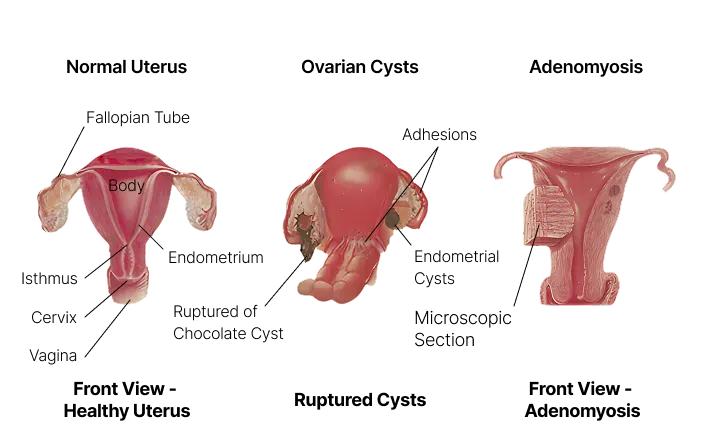


What Is Endometriosis?
Endometriosis is a condition in which tissue similar to the lining of the uterus grows outside the uterine cavity. These growths respond to hormonal changes during the menstrual cycle and may cause inflammation, scarring and the formation of adhesions over time.
The condition most commonly affects the ovaries, fallopian tubes and pelvic lining, although it can also involve the bladder, bowel and other pelvic structures. Depending on its location and severity, endometriosis may contribute to pelvic pain, menstrual symptoms and fertility challenges.
A related condition known as adenomyosis occurs when endometrial-like tissue grows within the muscular wall of the uterus. Although distinct from endometriosis, adenomyosis can occur alongside it and may contribute to heavy menstrual bleeding, painful periods and an enlarged uterus.
What Are the Different Types of Endometriosis?
Endometriosis can be classified according to where the tissue is found and how deeply it affects surrounding structures. Understanding the type of endometriosis present can help guide diagnosis, treatment planning and discussions about fertility.
Superficial Peritoneal Lesion
Superficial peritoneal endometriosis affects the peritoneum, which is the thin lining of the pelvic cavity. It is commonly seen in women with endometriosis and may appear as small lesions on the pelvic lining.
Endometrioma or Endometriotic Cyst (Ovarian Lesion)
An endometrioma is an endometriosis-related cyst that develops in the ovary. It is sometimes called a “chocolate cyst” because it contains old blood that can appear thick and dark. Endometriomas may contribute to pelvic pain and may also affect ovarian reserve or fertility in some women.
Deeply Infiltrating Endometriosis (DIE)
Deep infiltrating endometriosis (DIE) is the most severe form of endometriosis. It occurs when endometriotic tissue penetrates more than 5 mm beneath the peritoneal surface and extends into nearby structures such as the bowel, bladder and uterosacral ligaments. Because it can affect nerves and surrounding organs, DIE is often associated with more severe pelvic pain and other chronic symptoms.


What Are the Symptoms of Endometriosis?
Endometriosis can present differently from one woman to another. While some women experience noticeable symptoms, others may have few symptoms or none at all.
Common signs of endometriosis include:
Heavy and Irregular Menstrual Bleeding
When endometriosis occurs alongside adenomyosis, changes within the uterine muscle can contribute to heavier or irregular menstrual bleeding. Some women may notice increased menstrual flow, passage of clots or bleeding between periods.
Prolonged Menstrual Bleeding
Some women with endometriosis experience menstrual periods that last longer than usual. This may occur alongside heavy menstrual bleeding, particularly when adenomyosis is also present.
Pain During or After Sexual Intercourse
Endometriosis can cause pain during or after sexual intercourse, particularly when lesions, inflammation or scar tissue affect structures deep within the pelvis. The discomfort may range from mild to severe and can persist even after intercourse has ended.
Persistent Lower Back and Pelvic Pain
Endometriosis may cause ongoing pelvic pain that extends beyond menstruation. Inflammation and the formation of adhesions can affect nearby tissues and organs, contributing to chronic pelvic discomfort and lower back pain.
Difficulty Conceiving
Endometriosis is associated with fertility difficulties in some women. Inflammation, scarring and adhesions may affect the ovaries, fallopian tubes or surrounding pelvic structures, potentially interfering with fertilisation and conception.
Severe Menstrual Cramps
Painful periods are one of the most common symptoms of endometriosis. Endometriotic tissue responds to hormonal changes during the menstrual cycle, which can trigger inflammation and irritation within the pelvis. Some women experience menstrual cramps that are more severe than expected and do not improve adequately with over-the-counter pain medication.
Pain During Bowel Movements or Urination
Endometriosis affecting the bowel, bladder or surrounding tissues may cause pain during bowel movements or urination, particularly during menstruation. Some women may also experience constipation, diarrhoea, blood in the urine or blood in the stool during their periods.
Fatigue, Bloating and Nausea
In addition to pelvic symptoms, some women experience fatigue, abdominal bloating, nausea or a general feeling of discomfort, particularly around their menstrual period. These symptoms can sometimes affect daily activities and overall quality of life.

Finding Clarity for Ongoing Endometriosis Symptoms
If pelvic pain, heavy periods or menstrual changes are affecting your quality of life, an assessment can help provide clarity and guide next steps.
Possible Causes and Risk Factors of Endometriosis
While the exact cause of endometriosis is not fully understood, several factors and theories may contribute to its development.
Risk Factors of Endometriosis
Genetics
Women with a close family member, such as a mother or sister, who has endometriosis may have a higher risk of developing the condition. This suggests that genetic factors may play a role in susceptibility.Age and Early Menstruation
Endometriosis is most commonly diagnosed during the reproductive years. Starting menstruation at an early age may increase lifetime exposure to menstrual cycles, which has been associated with a higher risk of endometriosis.Elevated Oestrogen Level
Endometriosis is an oestrogen-dependent condition. Higher levels of oestrogen may stimulate the growth and activity of endometriotic tissue, contributing to the development or progression of symptoms.Heavy and/or Irregular Periods
Women who experience heavy menstrual bleeding, prolonged periods or shorter menstrual cycles may have an increased risk of endometriosis. These factors may be associated with greater menstrual flow and hormonal influences.Congenital structural abnormalities
Certain abnormalities affecting the reproductive tract may interfere with the normal flow of menstrual blood. This may increase the likelihood of endometrial tissue reaching areas outside the uterus.
Possible Causes of Endometriosis
Retrograde Menstruation
Retrograde menstruation is one of the most widely accepted theories. It occurs when menstrual blood flows backwards through the fallopian tubes into the pelvic cavity instead being expelled from the vagina. Endometrial cells may then implant and grow outside the uterus.Immune System Dysfunction
Some researchers believe that abnormalities in the immune system may reduce the body's ability to identify and remove endometrial-like tissue growing outside the uterus, allowing lesions to persist and develop.Surgical Seeding
In some cases, endometrial cells may be transferred to other areas of the body during surgical procedures involving the uterus, such as Caesarean sections. These cells may subsequently implant and grow within surgical scars.Haematogenous/Lymphatic Spread
Another theory suggests that endometrial cells may spread through the bloodstream or lymphatic system, which could explain the rare occurrence of endometriosis in areas beyond the pelvis.Cellular Metaplasia
Cellular metaplasia refers to the transformation of one type of cell into another. Some researchers propose that certain cells outside the uterus may develop characteristics similar to endometrial tissue, contributing to the formation of endometriosis.
Don't Let Endometriosis Go Unrecognised.
Many women live with symptoms for years before receiving a diagnosis. Early assessment may help you better understand your condition and treatment options.
How Is Endometriosis Diagnosed?
Endometriosis can be difficult to diagnose because its symptoms often resemble those of other conditions. Assessment usually begins with a review of your symptoms, medical history and, where appropriate, a physical or pelvic examination.
Depending on the findings, further investigations may be recommended to evaluate the extent of the disease and guide treatment planning. Obtaining an early diagnosis can help reduce delays in treatment, improve symptom management and support fertility planning where appropriate.
Ultrasound Scan
Ultrasound is often one of the first imaging tests used to evaluate suspected endometriosis. While it may not detect all forms of endometriosis, it can help identify ovarian endometriomas, adenomyosis and certain features of deep infiltrating endometriosis.Magnetic Resonance Imaging (MRI) Scan
MRI provides detailed images of the pelvic organs and surrounding structures. It may be recommended when deep infiltrating endometriosis is suspected or when additional information is needed to assess the extent of disease before treatment or surgery.CA-125 Blood Test
CA-125 is a blood test that measures a protein which may be elevated in women with endometriosis. However, elevated CA-125 levels can also occur in other conditions, which means the test cannot be used on its own to diagnose endometriosis. It is typically used as a supplementary investigation alongside clinical assessment and imaging findings.Diagnostic Laparoscopy
Diagnostic laparoscopy is a minimally invasive surgical procedure that allows direct visualisation of endometriotic lesions within the pelvis. A laparoscope is inserted through a small incision in the umbilicus, allowing the gynaecologist to examine pelvic structures and, where appropriate, obtain tissue samples for further evaluation.Endometriosis Mapping Scan
An endometriosis mapping scan is a specialised ultrasound examination performed by trained practitioners to assess the location and extent of endometriosis before treatment planning. It may help identify involvement of structures such as the ovaries, bowel, bladder and ligaments within the pelvis, providing valuable information for surgical planning when required.
What Are the Stages of Endometriosis?
Endometriosis is commonly classified into four stages based on the number, size, depth and location of endometriotic lesions, as well as the presence of adhesions and ovarian cysts. It is important to note that the stage of endometriosis does not always correspond to symptom severity. Some women with mild disease may experience significant pain, while others with advanced disease may have few symptoms.
Stage 1
Stage 1 endometriosis involves a small number of superficial lesions with little or no scar tissue. Treatment may focus on symptom management and monitoring, depending on the individual's symptoms and fertility goals.
Stage 2
Stage 2 endometriosis involves a greater number of lesions, some of which may extend deeper beneath the pelvic lining. While adhesions are usually minimal, symptoms may become more noticeable and treatment may include medication or surgical intervention when appropriate.
Stage 3
Stage 3 endometriosis is characterised by deeper lesions, the presence of adhesions and, in some cases, small ovarian endometriomas. Fertility may be affected, and treatment often requires a more comprehensive approach tailored to symptom severity and reproductive plans.
Stage 4
Stage 4 endometriosis involves extensive disease, larger ovarian endometriomas and significant adhesions affecting pelvic organs. Deep infiltrating endometriosis may also be present. Treatment frequently involves surgical management, particularly when symptoms are severe or fertility is affected.
What Endometriosis Treatments Are Available?
Treatment for endometriosis is tailored to your individual circumstances and may depend on factors such as symptom severity, age, stage of disease, fertility plans and the impact of symptoms on daily life. As endometriosis is a chronic condition, ongoing follow-up and monitoring are often important parts of long-term management.
Medication and Hormonal Therapy
Medication and hormonal therapy are commonly used to manage symptoms and reduce endometriosis activity. While these treatments may help relieve pain and regulate menstrual cycles, they do not remove existing endometriotic tissue.
Some medications that can alleviate symptoms of endometriosis include:
Gonadotropin-Releasing Hormone (GnRH) Medicines
GnRH medicines reduce oestrogen production by temporarily suppressing ovarian function. This may help shrink endometriotic lesions and alleviate symptoms.Oral Contraceptives (Birth Control Pills)
Combined oral contraceptives may help regulate menstrual cycles, reduce menstrual bleeding and improve pain associated with endometriosis.Progesterone and Progestin
Progesterone-based treatments work by suppressing the growth of endometriotic tissue and may reduce inflammation, bleeding and pelvic pain.Androgenic Hormones
Androgenic medications suppress ovarian hormone production and may help reduce endometriosis activity. Their use may be limited by potential side effects.Aromatase Inhibitors
Aromatase inhibitors reduce the production of oestrogen within the body and may be considered in selected cases, particularly when symptoms persist despite other hormonal treatments.
Endometriosis Surgery
Surgery may be considered when symptoms persist despite medical treatment, when endometriomas are present or when fertility concerns are an important consideration.
Depending on the extent and location of the disease, surgery may aim to remove or treat endometriotic tissue, relieve symptoms and preserve fertility where appropriate.
Surgical options may include:
Laparoscopic (Keyhole) Surgery
Laparoscopic surgery is commonly used to diagnose and treat endometriosis through small abdominal incisions.Ovarian cystectomy
An ovarian cystectomy involves the removal of endometriomas while preserving as much healthy ovarian tissue as possible.Hysterectomy
A hysterectomy may be considered in selected cases when symptoms are severe and future pregnancy is not planned.
Most endometriosis procedures are performed laparoscopically. However, open surgery (laparotomy) may occasionally be required for extensive disease involving multiple organs or complex pelvic anatomy.
Lifestyle Modifications
Lifestyle measures cannot cure endometriosis, but they may help support symptom management alongside medical treatment.
Examples include:
- Maintaining regular physical activity
- Following a balanced and nutritious diet
- Prioritising adequate sleep and rest
- Managing stress through relaxation techniques or mindfulness practices
- Using heat therapy, such as heating pads, to help relieve pelvic discomfort
- Avoiding activities that may worsen symptoms during flare-ups
These measures may help improve overall well-being and complement other aspects of endometriosis management.
When to Seek Urgent Care for Endometriosis
While endometriosis is not usually considered a medical emergency, certain symptoms may indicate complications or more extensive disease that require prompt medical attention.
You should seek medical attention if you experience:
- Severe pelvic or abdominal pain that develops suddenly or worsens significantly
- Heavy menstrual bleeding causing dizziness, fainting or extreme fatigue
- Persistent nausea or vomiting accompanied by severe pain
- Difficulty passing urine or bowel motions
- Blood in the urine or stool, particularly during menstruation
- Symptoms that interfere with daily activities despite medication
- New or worsening fertility concerns
Early assessment can help identify the cause of your symptoms and determine whether further treatment is required.
Managing Endometriosis Effectively with Dr Christopher Ng
Endometriosis can affect many aspects of daily life, from painful periods and chronic pelvic discomfort to fertility concerns and emotional well-being. Because symptoms vary from person to person, obtaining an accurate diagnosis is often the first step towards finding an effective management plan.
At GynaeMD Women's & Rejuvenation Clinic in Singapore, Dr Christopher Ng provides personalised assessment and treatment for women experiencing endometriosis and related gynaecological conditions. With over three decades of experience in women's health, he works closely with patients to develop management plans tailored to their symptoms, lifestyle and reproductive goals.
If you are experiencing persistent pelvic pain, heavy menstrual bleeding or concerns about fertility, contact our clinic to schedule a consultation and discuss the treatment options available to you.

FAQs About Endometriosis
Several factors have been associated with an increased risk of endometriosis, including having a close family member with the condition, starting menstruation at an early age, having shorter menstrual cycles and experiencing heavy or prolonged menstrual bleeding. However, having one or more risk factors does not necessarily mean you will develop endometriosis.
Common symptoms of endometriosis include painful periods, chronic pelvic pain, heavy menstrual bleeding, pain during or after sexual intercourse and fertility problems. As these symptoms can overlap with other conditions, a medical assessment is often needed to confirm the diagnosis.
If left untreated, endometriosis may contribute to chronic pelvic pain, fertility problems and the formation of adhesions that affect nearby organs. Early diagnosis and treatment can help manage symptoms and reduce the risk of complications.
Your doctor will provide instructions based on the procedure being performed. In general, you may be advised to avoid eating or drinking before surgery and inform your doctor about any medications or supplements you are taking.
Recovery varies depending on the extent of surgery and the surgical approach used. Most women recover within a few weeks after laparoscopic surgery, while recovery after open surgery may take longer. Follow-up appointments help monitor healing and review ongoing management.
Early signs of endometriosis often include painful periods, pelvic pain during menstruation, heavier menstrual bleeding and pain during or after sexual intercourse. Some women may also experience bloating, fatigue or digestive symptoms.
Endometriosis is a chronic condition and there is currently no guaranteed cure. However, medication, hormonal therapy and surgery can help manage symptoms and improve quality of life.
Yes. Endometriosis can develop during the teenage years and may begin soon after menstruation starts. Severe period pain that affects school, sports or daily activities should be assessed by a healthcare professional.
Treatment can often be tailored to balance symptom control with future fertility goals. Depending on your individual circumstances, options may include fertility-preserving surgery, assisted reproductive techniques or fertility preservation strategies.
Gynaecological Services We Provide

Don't Let Endometriosis Symptoms Disrupt Your Life
Endometriosis can affect your daily activities, relationships and future family plans. Early diagnosis may help you access treatment options that support your long-term well-being. Call us at 6733 8810 or message us by clicking the button.


Meet Our Endometriosis Specialist
Dr Christopher Ng
Consultant Obstetrician & Gynaecologist in Singapore
Qualifications & Credentials
- Bachelor of Medicine, Bachelor of Surgery (Imperial College, UK)
- Master of Medicine in Obstetrics and Gynaecology (Singapore)
- Fellow of the Royal Australian and New Zealand College of Obstetricians and Gynaecologists
- Fellow of the Academy of Medicine, Singapore (Obstetrics & Gynaecology)
Dr Christopher Ng is a dedicated obstetrician and gynaecologist with over three decades of experience. Having been educated and trained in Singapore, the UK and the US, Dr Ng brings with him a wealth of experience and medical knowledge that puts his patient’s wellbeing to the fore.
Dr Ng also complements his practice with aesthetics and has obtained Certificates of Competence in all aesthetic procedures recognised by the Singapore Medical Council Aesthetic Practice Oversight Committee.
With over 30 years of dedicated service in the field of women’s health and rejuvenation, Dr Ng remains steadfast in his commitment to provide compassionate, personalised and effective care to all his patients.
Dr Christopher Ng is a dedicated obstetrician and gynaecologist with over three decades of experience. Having been educated and trained in Singapore, the UK and the US, Dr Ng brings with him a wealth of experience and medical knowledge that puts his patient’s wellbeing to the fore.
Dr Ng also complements his practice with aesthetics and has obtained Certificates of Competence in all aesthetic procedures recognised by the Singapore Medical Council Aesthetic Practice Oversight Committee.
With over 30 years of dedicated service in the field of women’s health and rejuvenation, Dr Ng remains steadfast in his commitment to provide compassionate, personalised and effective care to all his patients.

1 Orchard Boulevard, #04-03A Camden Medical Centre, Singapore 248649


Phone:+65 6733 8810
Fax:+65 6733 8850
After Office:+65 6535 8833
Email:gynaemd@singnet.com.sg
Mon - Friday:0900h to 1730h
Saturday:0900h to 1300h
Lunch Break:1300h to 1400h
Closed on Public Holiday and Sunday