 6733 8810
Infertility Treatment in Singapore

Dr Christopher Ng
Consultant Obstetrician & Gynaecologist
MBBS (Imperial College, UK), MMed (O&G) (S’pore), FRANZCOG (Aust-NZ), FAMS (O&G) (S’pore)
Infertility can affect both men and women, but with early assessment and personalised fertility care, Dr Christopher Ng helps individuals and couples work towards successful conception and parenthood.
Medically reviewed by Dr Christopher Ng, Consultant Obstetrician & Gynaecologist
What Is Infertility?
Infertility refers to the inability to achieve pregnancy after one year of regular unprotected sexual intercourse. For women aged 35 and above, a medical evaluation is generally recommended after six months of trying to conceive without success.
For pregnancy to occur, ovulation must take place, sperm must successfully fertilise the egg and the resulting embryo must travel through the fallopian tube before implanting within the uterus. Difficulties at any stage of this process may affect fertility and reduce the chances of conception.
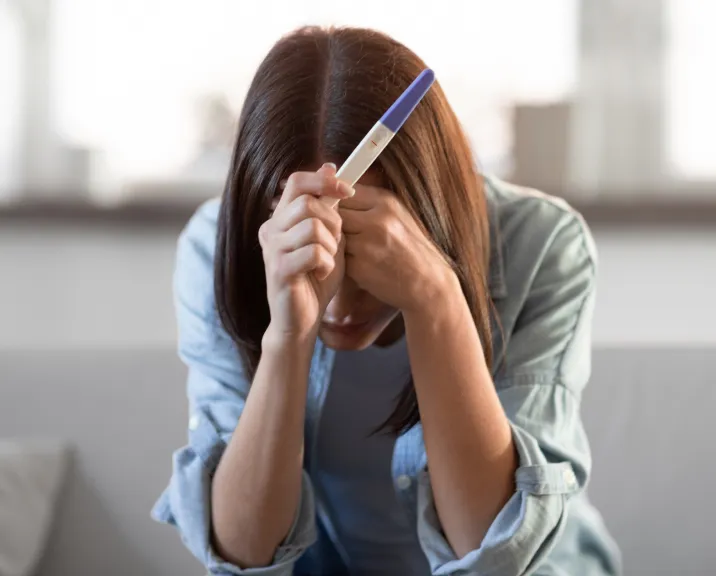


Types of Infertility
Infertility may be classified based on whether a couple has conceived before. This distinction can help guide medical history-taking and fertility assessment.
Primary Infertility
Primary infertility refers to difficulty conceiving in couples who have never had a pregnancy before, despite at least one year of regular unprotected sexual intercourse.
Secondary Infertility
Secondary infertility refers to difficulty conceiving again after a previous pregnancy. This may occur even if the earlier pregnancy was carried to term, ended in miscarriage or resulted in an ectopic pregnancy.

Early Fertility Assessment Can Make a Difference
If you have been trying to conceive without success, identifying potential causes early can help guide appropriate treatment and improve your chances of achieving pregnancy.
Possible Signs & Symptoms of Infertility in Women
Inability to Conceive
The inability to achieve pregnancy after one year of regular unprotected sexual intercourse is one of the primary indicators of infertility. Women aged 35 and above are generally advised to seek medical evaluation after six months of trying to conceive without success.
Painful, Irregular or Absent Periods
Changes in the menstrual cycle may sometimes indicate problems with ovulation or hormonal regulation. Heavy periods, painful periods, infrequent periods or the absence of menstruation may be associated with conditions such as polycystic ovary syndrome (PCOS), thyroid disorders or other hormonal imbalances that can affect fertility.
Pain During Intercourse (Dyspareunia)
Pain during or after sexual intercourse may be linked to conditions such as endometriosis, pelvic inflammatory disease or pelvic adhesions. These conditions can affect the reproductive organs and may contribute to fertility difficulties.
Changes in Hair Growth or Texture
Excessive facial or body hair growth, thinning scalp hair or other changes in hair patterns may indicate hormonal imbalances. These symptoms are commonly associated with conditions such as PCOS, which may interfere with ovulation and fertility.


Possible Signs & Symptoms of Infertility in Men
Male factors may play a role in around half of all cases of infertility. Certain signs and symptoms may point to an underlying condition that could affect a man’s fertility, including:
Testicular Pain and Swelling
Pain, swelling or a feeling of heaviness in one or both testicles may suggest conditions such as varicocele, infection or other disorders that can affect sperm production and fertility.
Erectile Dysfunction
Difficulties achieving or maintaining an erection may sometimes be associated with hormonal imbalances, diabetes, vascular conditions or other health issues that can also affect fertility.
Ejaculation Problems
Conditions such as premature ejaculation, retrograde ejaculation or absent ejaculation may reduce the likelihood of sperm reaching and fertilising the egg, making conception more difficult.
Common Causes of Infertility in Men & Women
Infertility may result from factors affecting the woman, the man, or both partners. Identifying the underlying cause is often an important step in determining the most appropriate treatment approach.
Female Infertility
Ovulation Disorder
Ovulation disorders occur when the ovaries do not release eggs regularly or at all. Common causes include PCOS, hyperprolactinaemia, thyroid disorders, excessive exercise, significant weight changes and eating disorders.
Fallopian Tube Obstruction
Blocked or damaged fallopian tubes can prevent sperm from reaching the egg or stop a fertilised egg from travelling to the uterus. This may result from pelvic inflammatory disease, endometriosis or previous ectopic pregnancies.
Uterine or Cervical Abnormalities
Structural abnormalities involving the uterus or cervix can interfere with sperm transport, embryo implantation or pregnancy development. Examples include uterine fibroids, septate uterus, intrauterine adhesions and cervical stenosis.
Ageing
Female fertility naturally declines with age, particularly after the mid-thirties. Both the quantity and quality of eggs decrease over time, which can reduce the likelihood of conception and increase the risk of miscarriage.
Endometriosis
Endometriosis occurs when tissue similar to the lining of the uterus grows outside the uterus. The condition can affect fertility by causing inflammation, scarring, adhesions and distortion of the reproductive organs.
Premature Ovarian Insufficiency
Premature ovarian insufficiency occurs when ovarian function declines before the age of 40. This can lead to irregular periods, reduced ovarian reserve and difficulties conceiving.
Endometrial Polyps
Endometrial polyps are growths within the lining of the uterus. Depending on their size and location, they may interfere with embryo implantation and reduce fertility.
Male infertility
Low Sperm Count
A lower-than-normal sperm count reduces the likelihood of sperm successfully reaching and fertilising the egg, making conception more challenging.
Reduced Sperm Motility
Sperm motility refers to the ability of sperm to swim effectively. Poor motility can make it more difficult for sperm to travel through the female reproductive tract and reach the egg.
Impaired Sperm Quality
This is characterised by poor morphology of the sperm (shape) and abnormal DNA, both of which can further hinder the ability of sperm to successfully fertilise an egg.
Overexposure to Environmental Factors
Frequent exposure to toxic chemicals, radiation and heat can affect sperm production. Heavy alcohol consumption and smoking may also result in reduced sperm quality and quantity.
Ageing
Although male fertility tends to decline more gradually than female fertility, increasing age may affect sperm count, sperm quality and genetic integrity.
Varicocele
A varicocele is an enlargement of the veins within the scrotum. It is one of the most common reversible causes of male infertility and may affect sperm production by increasing testicular temperature as the ideal temperature for sperm production is below body temperature.
Testicular Tumours
Testicular tumours can interfere with sperm production and hormone regulation. In some cases, treatment for testicular cancer may also affect future fertility.
Unexplained Infertility
Unexplained infertility is diagnosed when standard fertility investigations do not identify a specific cause despite difficulties conceiving. Although test results may appear normal, subtle factors affecting fertilisation, embryo development or implantation may still be present.
Supporting You on Your Fertility Journey
If you have been trying to conceive without success, a fertility assessment can help identify potential causes and guide you towards appropriate treatment options.
How Is Infertility Diagnosed?
A fertility assessment typically begins with a review of both partners' medical history, lifestyle habits and reproductive health. Your fertility specialist may ask about menstrual cycles, previous pregnancies, sexual health, medical conditions and family history before recommending further investigations.
The aim of fertility testing is to identify factors that may be affecting conception and to determine the most appropriate treatment approach. Depending on your individual circumstances, the following tests may be recommended.
Fertility Assessments for Women
Female fertility investigations focus on evaluating ovulation, ovarian reserve and the health of the reproductive organs.
Vaginal Swab
A vaginal swab may be performed to check for infections affecting the reproductive tract. Identifying and treating infections can be an important part of optimising reproductive health.Ultrasound Scans
Pelvic ultrasound scans allow the uterus and ovaries to be examined for abnormalities such as fibroids, ovarian cysts and signs of polycystic ovary syndrome (PCOS). Ultrasound can also help assess ovarian reserve through an antral follicle count.Blood Test
Blood tests may be used to evaluate hormone levels, assess whether ovulation is occurring and screen for medical conditions such as thyroid disorders that can affect fertility.Hysterosalpingogram (HSG)
An HSG is an X-ray procedure that uses contrast dye to assess the shape of the uterine cavity and determine whether the fallopian tubes are open.Ovarian Reserve Testing
Ovarian reserve testing measures Anti-Müllerian Hormone (AMH) levels and may be combined with ultrasound assessment. These tests provide information about a woman's remaining egg supply and reproductive potential.Hormone Testing
Hormone testing evaluates key reproductive hormones such as follicle-stimulating hormone (FSH), luteinising hormone (LH), oestradiol, progesterone and prolactin. The results can help assess ovarian function and ovulation.Laparoscopy
Laparoscopy is a minimally invasive procedure in which a small camera is inserted through a small umbilical incision to directly examine the pelvic organs. It may be used to diagnose conditions such as endometriosis or pelvic adhesions.Hysteroscopy
Hysteroscopy involves inserting a thin camera through the cervix into the uterus to examine the uterine cavity. It can help identify abnormalities such as polyps, fibroids, adhesions and uterine septa.
Fertility Assessments for Men
Male fertility investigations focus on evaluating sperm production, sperm function and hormonal health.
Semen Analysis
A semen analysis is one of the most important tests in male fertility assessment. It evaluates sperm count, motility, morphology and other factors that influence the ability of sperm to fertilise an egg.Physical Examination
A physical examination may be performed to assess the testes, scrotum and reproductive anatomy. This can help identify conditions such as varicocele, testicular abnormalities or signs of hormonal disorders that may affect fertility.Blood Test
Blood tests may be performed to assess hormone levels, including testosterone and other hormones involved in sperm production and reproductive function.Scrotal Ultrasound
A scrotal ultrasound may be recommended when abnormalities are suspected during physical examination. It can help evaluate conditions such as varicocele, testicular masses or structural abnormalities that may affect fertility.Genetic Testing
Genetic testing may be considered in selected individuals, particularly those with severely reduced sperm counts or suspected inherited conditions. The results can help identify underlying causes of infertility and guide personalized inform treatment decisions.

When Should I Visit a Fertility Clinic?
If you are under the age of 35 and have been trying to conceive for one year without success despite regular unprotected sexual intercourse, it may be time to seek a fertility assessment. Women aged 35 and above are generally advised to consult a fertility specialist after six months of trying to conceive, as fertility naturally declines with age.
You may also benefit from an earlier evaluation if you have irregular or absent periods, known reproductive health conditions such as endometriosis or polycystic ovary syndrome (PCOS), a history of pelvic infections or previous fertility concerns. Early assessment can help identify potential challenges and initiate appropriate treatment options.
Planning for a Family Starts with Understanding Your Fertility
A comprehensive fertility assessment can provide valuable insights into your reproductive health and treatment options.
What Are the Treatment Options for Infertility?
Fertility treatment is tailored to the underlying cause of infertility, the age of both partners, the duration of infertility and individual family-planning goals. Following a comprehensive assessment, your fertility specialist will recommend a personalised treatment plan that may include assisted reproductive technologies and fertility preservation options.
IVF
In-vitro fertilisation (IVF) is a well-established assisted fertility treatment that involves retrieving eggs from the ovaries and fertilising them with sperm in a laboratory. The resulting embryos are monitored for several days before one or more suitable embryos are transferred into the uterus.
SO-IUI
Superovulation intra-uterine insemination (SOIUI) is a combination of superovulation and intrauterine insemination. It is a type of artificial insemination whereby washed and enhanced sperm will be injected directly into a woman’s uterus during her ovulation period. This cuts down on the time and distance that the sperm need to travel, making it easier to fertilise the egg.
Besides IVF and SO-IUI, there are other assisted reproductive technologies (ART), such as:
Intracytoplasmic Sperm Injection (ICSI)
ICSI is commonly performed alongside IVF. During the procedure, a single healthy sperm is injected directly into an egg to facilitate fertilisation. It is often recommended for severe male-factor infertility.
Donor Eggs or Sperm
In certain situations, third-party reproductive options may be considered when conception is not possible using a couple's own eggs or sperm. Your fertility specialist can advise on the available options and whether they may be appropriate for your situation.
Egg, Sperm, or Embryo Freezing
Egg, sperm and embryo freezing are fertility preservation options that allow reproductive cells or embryos to be stored for future use. These treatments may be suitable for individuals undergoing medical treatments that could affect fertility, as well as those who wish to postpone parenthood. In particular, egg freezing can help women preserve their fertility and expand their future family-building options.
What Happens After Infertility Treatment?
The next steps after fertility treatment depend on the type of treatment received and the individual's response. In many cases, hormone support may be prescribed to help prepare the uterine lining and support early pregnancy.
Follow-up may include a pregnancy test and further monitoring, depending on the type of treatment and your fertility specialist's recommendations. If pregnancy is confirmed, follow-up care may focus on monitoring the pregnancy and supporting maternal and fetal well-being.
However, fertility treatment does not always result in pregnancy, and the outcome can vary depending on the treatment and individual circumstances. Some couples may require additional treatment cycles or alternative approaches before achieving a successful outcome.
Early Fertility Assessment Can Make a Difference
Timely evaluation may help uncover underlying causes of infertility and support earlier intervention when needed.
Why Choose Our Clinic for Infertility Treatment?
- Comprehensive Fertility Assessment: A thorough evaluation helps identify potential factors affecting fertility and provides the foundation for an appropriate personalised treatment plan.
- Personalised Treatment Planning: Fertility treatment is tailored to each individual's medical history, reproductive health and family-building goals.
- Continuity of Care: From initial assessment through fertility treatment and pregnancy care, patients receive ongoing support throughout their reproductive journey.
- Experienced Women's Health Care: With over three decades of experience in women's health, Dr Christopher Ng provides fertility assessment and treatment for women facing a wide range of reproductive concerns.
Tips to Improve One’s Fertility
While not all causes of infertility can be prevented, certain lifestyle habits may support reproductive health and improve fertility outcomes.
Stop Smoking
Smoking can negatively affect egg quality, sperm quality and overall reproductive health.
Limiting Alcohol Intake
Excessive alcohol consumption may reduce fertility in both men and women and can affect reproductive hormone balance.
Having a Healthy Diet
A balanced diet rich in fruits, vegetables, whole grains and lean proteins supports overall health and reproductive function.
Managing Stress
Long-term stress may affect hormone regulation and overall well-being, both of which can influence fertility.
Taking Supplements
Certain supplements, such as folic acid, vitamin D and zinc, may support reproductive health. It is advisable to seek medical advice before starting supplementation.
Exercising Regularly
Regular physical activity can help support cardiovascular health, weight management and overall well-being.
Getting Adequate Sleep
Consistent, good-quality sleep plays an important role in hormone regulation and reproductive health.
Maintaining a Healthy Weight
Being significantly underweight or overweight can affect hormone levels, ovulation and sperm production. Achieving and maintaining a healthy weight may improve fertility outcomes in some individuals.
Starting Your Fertility Journey with Dr Christopher Ng
Infertility can affect more than just your ability to conceive. It can also bring uncertainty, frustration and emotional stress. Fortunately, advances in fertility medicine have made it possible to identify many causes of infertility and provide treatment options tailored to individual circumstances.
At GynaeMD Women's & Rejuvenation Clinic in Singapore, Dr Christopher Ng provides comprehensive fertility assessment and treatment for couples experiencing difficulties conceiving. With over three decades of experience in women's health, he works closely with patients to understand their concerns and develop a personalised approach to fertility care. Schedule a consultation with Dr Ng to discuss your concerns and explore suitable treatment options today.

Frequently Asked Questions (FAQs) on Infertility
While maintaining a healthy lifestyle, avoiding smoking and managing medical conditions may help reduce certain risks. Some causes of infertility are related to age and genetics which cannot be prevented while some underlying reproductive conditions may be addressed.
Infertility is a relatively common concern in Singapore, affecting approximately one in six couples. Both male and female factors can contribute to infertility, and in some cases, difficulties conceiving may involve factors affecting both partners.
Maintaining a healthy weight, eating a balanced diet, exercising regularly, avoiding smoking and limiting alcohol intake may help support fertility. Seeking a fertility assessment early can also help identify potential issues and allow appropriate treatment to begin sooner.
Yes, some women with infertility continue to have regular menstrual periods. Although menstruation may indicate that the uterine lining is shedding, it does not necessarily mean that ovulation is occurring normally or that there are no other factors affecting fertility.
Prolonged use of anabolic steroids can affect fertility in both men and women. In men, steroids may suppress sperm production and reduce testicular function. In women, they can disrupt hormone levels, interfere with ovulation and cause menstrual irregularities.
Difficulty conceiving after a period of regular unprotected intercourse is often the first sign of infertility. Some individuals may also experience symptoms such as irregular or absent periods, painful menstruation, hormonal changes or underlying reproductive health conditions that affect fertility.
The effectiveness of infertility treatment varies depending on factors such as age, the underlying cause of infertility and the treatment used. Many couples are able to achieve pregnancy with appropriate medical care, although some may require multiple treatment cycles.
If a treatment cycle is unsuccessful, your fertility specialist may recommend further investigations, adjustments to the treatment plan or alternative fertility treatments. The most suitable next step will depend on your individual circumstances and response to previous treatment.
Infertility Services We Provide

Take the First Step Towards Building Your Family
Understanding your fertility health can help you make informed decisions about your path to parenthood. A fertility assessment can identify potential factors affecting conception and guide appropriate treatment options.


Meet Our Infertility Specialist
Dr Christopher Ng
Consultant Obstetrician & Gynaecologist in Singapore
Qualifications & Credentials
- Bachelor of Medicine, Bachelor of Surgery (Imperial College, UK)
- Master of Medicine in Obstetrics and Gynaecology (Singapore)
- Fellow of the Royal Australian and New Zealand College of Obstetricians and Gynaecologists
- Fellow of the Academy of Medicine, Singapore (Obstetrics & Gynaecology)
Dr Christopher Ng is a dedicated obstetrician and gynaecologist with over three decades of experience. Having been educated and trained in Singapore, the UK and the US, Dr Ng brings with him a wealth of experience and medical knowledge that puts his patient’s wellbeing to the fore.
Dr Ng also complements his practice with aesthetics and has obtained Certificates of Competence in all aesthetic procedures recognised by the Singapore Medical Council Aesthetic Practice Oversight Committee.
With over 30 years of dedicated service in the field of women’s health and rejuvenation, Dr Ng remains steadfast in his commitment to provide compassionate, personalised and effective care to all his patients.
Dr Christopher Ng is a dedicated obstetrician and gynaecologist with over three decades of experience. Having been educated and trained in Singapore, the UK and the US, Dr Ng brings with him a wealth of experience and medical knowledge that puts his patient’s wellbeing to the fore.
Dr Ng also complements his practice with aesthetics and has obtained Certificates of Competence in all aesthetic procedures recognised by the Singapore Medical Council Aesthetic Practice Oversight Committee.
With over 30 years of dedicated service in the field of women’s health and rejuvenation, Dr Ng remains steadfast in his commitment to provide compassionate, personalised and effective care to all his patients.

1 Orchard Boulevard, #04-03A Camden Medical Centre, Singapore 248649


Phone:+65 6733 8810
Fax:+65 6733 8850
After Office:+65 6535 8833
Email:gynaemd@singnet.com.sg
Mon - Friday:0900h to 1730h
Saturday:0900h to 1300h
Lunch Break:1300h to 1400h
Closed on Public Holiday and Sunday