 6733 8810
Ovarian Cysts Treatment in Singapore

Dr Christopher Ng
Consultant Obstetrician & Gynaecologist
MBBS (Imperial College, UK), MMed (O&G) (S’pore), FRANZCOG (Aust-NZ), FAMS (O&G) (S’pore)
Ovarian cysts are common and can affect women at various stages of life. While many cysts cause no symptoms and resolve on their own, others may lead to pelvic discomfort, bloating, menstrual changes or fertility concerns. In some cases, ovarian cysts can interfere with daily activities and require medical attention. Understanding the nature of an ovarian cyst and seeking timely assessment can help guide appropriate management and reduce the risk of complications.
What Are Ovarian Cysts?
Ovarian cysts are fluid-filled sacs that develop within or on the ovaries. They can vary in size and may occur as a single cyst or as multiple cysts. Many women will develop an ovarian cyst at some point during their lifetime.
Some ovarian cysts form as part of the normal menstrual cycle and are known as functional cysts. These are usually harmless and often disappear without treatment. Other cysts develop independently of ovulation and are known as pathological cysts.
While most ovarian cysts are benign, some can cause symptoms such as pelvic pain, abdominal swelling or pressure effects on nearby organs. Complications may occur if a cyst becomes very large, ruptures or causes the ovary to twist, a condition known as ovarian torsion. In a small number of cases, ovarian cysts may be associated with ovarian cancer and require prompt assessment and treatment.
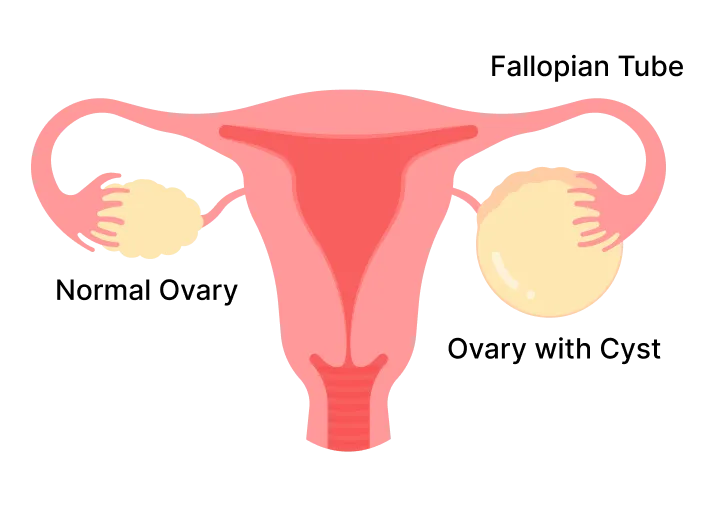


What Are the Types of Ovarian Cysts?
Ovarian cysts can develop for different reasons and may behave differently over time. They are broadly classified as either functional cysts or pathological cysts.
Functional Cysts
Functional cysts develop as part of the normal menstrual cycle. They are usually benign, often cause no symptoms and commonly resolve on their own within two to three menstrual cycles.
Follicular Cysts
During a normal menstrual cycle, an egg develops within a follicle before being released during ovulation. If the follicle fails to release the egg, it may continue to grow and fill with fluid, forming a follicular cyst.Corpus Luteum Cysts
After ovulation, the follicle normally shrinks and becomes a structure known as the corpus luteum. If the opening seals and fluid accumulates inside, a corpus luteum cyst may develop.
Pathological Cysts
Pathological cysts are not related to the menstrual cycle. Unlike functional cysts, they are less likely to resolve spontaneously and may continue to enlarge over time. Larger cysts can increase the risk of complications such as rupture or ovarian torsion.
Endometriotic Cysts
Also known as endometriomas, these cysts occur in women with endometriosis and contain old menstrual blood. Endometriomas may cause pelvic pain, painful periods and fertility difficulties. Although surgery may remove existing cysts, recurrence can occur if the underlying endometriosis is not managed.Cystadenomas
Cystadenomas are usually benign tumours that form on the outer surface of the ovary. They are filled with a watery (serous) or mucous-like fluid (mucinous). Cystadenomas can cause abdominal discomfort or bloating.Malignant Ovarian Cysts
These ovarian cysts are cancerous in nature. The likelihood of malignancy generally increases after menopause, although ovarian cancer can also occur in younger women.Dermoid Cysts
Dermoid cysts, also known as mature cystic teratomas, commonly occur in younger women. They arise from embryonic cells and may contain tissues such as hair, skin, fat, bone and occasionally teeth.
What Causes Ovarian Cysts?
Ovarian cysts can develop for a variety of reasons. Functional cysts form naturally as part of ovulation, while other cysts may arise because of underlying gynaecological conditions or hormonal influences.
Factors associated with ovarian cyst formation include:
- Hormonal fluctuations
- Ovulation and the menstrual cycle
- Pregnancy
- Endometriosis
- Severe pelvic infections
- Certain fertility medications that stimulate ovulation
In some cases, pelvic infections involving the reproductive organs may spread to the ovaries and contribute to cyst formation.

Concerned About an Ovarian Cyst?
Early assessment can help determine the type of cyst present and whether treatment is required.
Common Symptoms of Ovarian Cysts
Many ovarian cysts do not cause symptoms and are discovered incidentally during routine health screenings or investigations for unrelated concerns. When symptoms occur, they often depend on the size, location and type of cyst.
Some of the common symptoms of ovarian cysts are:
Abdominal Distension
Larger cysts may cause visible abdominal swelling or a feeling of fullness in the lower abdomen.Pelvic Pain and Discomfort
Symptoms may include pelvic pain, painful periods, pain during or after sexual intercourse and lower back discomfort. Sudden severe pain may occur if a cyst ruptures or causes ovarian torsion.Changes in Menstrual Patterns
Some women experience heavier periods, prolonged bleeding, irregular spotting or menstrual cycles that differ from their usual pattern.Urinary Symptoms
Large cysts may place pressure on the bladder, leading to increased urinary frequency or urgency.Digestive Symptoms
Ovarian cysts can sometimes cause bloating, constipation, discomfort during bowel movements or a persistent feeling of fullness after eating.Fertility Concerns
Certain cysts, particularly endometriotic cysts, may affect fertility and reproductive health.
Who Is At Risk of Developing Ovarian Cysts?
Any woman can develop an ovarian cyst. However, certain factors may increase the likelihood of cyst formation or recurrence.
Age
Ovarian cysts can occur at any age, but they are most commonly diagnosed during the reproductive years when ovulation is active. Certain types of cysts may also become more concerning after menopause.Pregnancy
Some cysts, particularly corpus luteum cysts, can develop during early pregnancy. These cysts often support the pregnancy until the placenta takes over hormone production and may resolve on their own over time.History of Ovarian Cysts
Women who have previously had ovarian cysts may be more likely to develop them again, particularly if the underlying cause remains present.Pelvic infections
Severe pelvic infections can spread to the ovaries and fallopian tubes, increasing the risk of cyst formation and other reproductive health complications.Family History
A family history of ovarian cancer or certain inherited cancer syndromes may influence the assessment of ovarian masses and the risk of malignancy. Your doctor may take your family history into account when assessing ovarian masses.Underlying Health Conditions
Certain gynaecological conditions may increase the likelihood of developing ovarian cysts. These include endometriosis, which can lead to endometriotic cysts (endometriomas), and polycystic ovary syndrome (PCOS), a hormonal condition characterised by multiple small ovarian follicles, irregular ovulation, hormonal imbalance and infertility. Although the follicles seen in PCOS are not true ovarian cysts, the condition is associated with changes in ovarian appearance.


How Are Ovarian Cysts Diagnosed?
Diagnosis typically begins with a discussion of your symptoms, medical history and menstrual history, followed by a physical or pelvic examination. Depending on the findings, further investigations may be recommended to determine the type of cyst present and whether treatment is required.
CA-125 Blood Test (Ovarian Tumour Markers)
CA-125 is a blood test that measures a protein which may be elevated in certain ovarian cancers. While it can help assess the risk of malignancy, elevated levels may also occur in benign conditions such as endometriosis, fibroids and pelvic inflammatory disease.Pelvic Ultrasound
Pelvic ultrasound is usually the primary imaging test used to evaluate ovarian cysts. It can help determine the size, location and characteristics of a cyst, as well as assess whether it appears simple, complex or potentially concerning.MRI or CT scans
MRI and CT scans may be recommended when additional information is needed to confirm the size, location and characteristics of an ovarian cyst especially if malignancy is suspected. They also help to visualise lymph nodes and other pelvic organs. These imaging studies can help guide treatment planning and assess whether further investigation is required.Hormone Level Testing
Hormone tests may be performed when an underlying hormonal condition is suspected. These investigations can help identify disorders that may contribute to cyst formation or menstrual irregularities.Diagnostic Laparoscopy
Diagnostic laparoscopy is a minimally invasive procedure that allows direct visualisation of the ovaries and surrounding pelvic organs. It may be used when imaging findings are inconclusive or when treatment is planned at the same time.
Early Diagnosis Can Support Timely Treatment
If you are concerned about an ovarian cyst, seeking medical advice early can help provide clarity and guide appropriate management.
What Are the Treatments for Ovarian Cysts?
Treatment depends on several factors, including your age, symptoms, the size and appearance of the cyst, and whether there are concerns about malignancy. Small cysts that appear benign and do not cause symptoms may only require observation and follow-up scans. However, cysts that are large, persistent, painful or suspicious may require treatment.
Medication
Medication may help manage symptoms associated with ovarian cysts. Non-steroidal anti-inflammatory drugs (NSAIDs) can help relieve pain and discomfort. Hormonal contraceptives may help reduce the likelihood of developing new functional cysts, although they do not remove existing pathological cysts.
Surgery
Surgery may be recommended if a cyst is large, continues to grow, causes significant symptoms or raises concerns about malignancy. These procedures include:
Laparoscopy (Keyhole Surgery)
Laparoscopy is a minimally invasive procedure performed through small incisions using specialised surgical instruments. Both cystectomy and oophorectomy can often be performed laparoscopically, which may result in less discomfort, faster recovery and smaller scars compared to open surgery.Cystectomy
A cystectomy removes the ovarian cyst while preserving the ovary. This approach is commonly considered for benign cysts, particularly in women who wish to preserve fertility.Oophorectomy
An oophorectomy involves removing the affected ovary together with the cyst. This may be recommended when there is concern about malignancy or in women approaching or after menopause, where the risk of ovarian cancer is higher.Laparotomy (Open Surgery)
A laparotomy involves a larger abdominal incision to allow better access to the cyst and surrounding structures. It may be recommended when a cyst is very large, densely adherent to surrounding tissues or suspected to be cancerous.
Can Ovarian Cysts Be Prevented?
Not all ovarian cysts can be prevented, particularly functional cysts that develop as part of the normal menstrual cycle. However, regular gynaecological reviews may help identify ovarian cysts early.
Managing underlying conditions such as endometriosis or PCOS, monitoring changes in your menstrual cycle and seeking medical attention for persistent pelvic symptoms may also facilitate earlier detection and treatment.
What Happens if Ovarian Cysts Are Left Untreated?
Many ovarian cysts do not require treatment and may resolve naturally. However, cysts that continue to grow or cause symptoms can sometimes lead to complications.
Potential complications include persistent pelvic pain, abdominal distension, ovarian torsion, cyst rupture and fertility-related concerns. In rare cases, delayed assessment may postpone the diagnosis of ovarian cancer or other significant conditions.
Managing Ovarian Cysts Effectively with Dr Christopher Ng
Being diagnosed with an ovarian cyst can feel unsettling, particularly when you are unsure what it means for your health, fertility or future plans. At GynaeMD Women's & Rejuvenation Clinic in Singapore, Dr Christopher Ng offers caring and individualised care for women with ovarian cysts. Drawing on over 30 years of experience in women's health, he helps women better understand their condition and recommends management approaches tailored to their needs and priorities.
If you would like greater clarity about an ovarian cyst or your symptoms, schedule a consultation with Dr Christopher Ng to discuss your concerns and receive professional personalised guidance.

Frequently Asked Questions (FAQs) on Ovarian Cysts
Not all ovarian cysts cause pain. However, some women may experience pelvic discomfort, painful periods, lower abdominal pain or discomfort during intercourse. Sudden severe pain can occur if a cyst ruptures or causes ovarian torsion.
Many ovarian cysts resolve on their own and may only require monitoring with follow-up scans. Surgery is generally considered when a cyst is large, persistent, painful or suspected to be cancerous.
The significance of an ovarian cyst depends not only on its size but also on its appearance, growth pattern and associated symptoms. Larger cysts may carry a greater risk of complications such as rupture or ovarian torsion and should be assessed by a gynaecologist.
No. Many ovarian cysts can be monitored without intervention, particularly if they are small, appear benign and are not causing symptoms. The decision to proceed with surgery depends on several clinical factors.
Some ovarian cysts can recur after treatment, particularly if the underlying condition remains present. For example, endometriotic cysts may return if endometriosis is not adequately managed after surgery with hormonal suppression.
Gynaecological Services We Provide

From routine women’s health needs to complex medical issues, our clinic is here to support you.
Call us at 6733 8810 or message us by clicking the button.


Meet Our Ovarian Cysts Specialist
Dr Christopher Ng
Consultant Obstetrician & Gynaecologist in Singapore
Qualifications & Credentials
- Bachelor of Medicine, Bachelor of Surgery (Imperial College, UK)
- Master of Medicine in Obstetrics and Gynaecology (Singapore)
- Fellow of the Royal Australian and New Zealand College of Obstetricians and Gynaecologists
- Fellow of the Academy of Medicine, Singapore (Obstetrics & Gynaecology)
Dr Christopher Ng is a dedicated obstetrician and gynaecologist with over three decades of experience. Having been educated and trained in Singapore, the UK and the US, Dr Ng brings with him a wealth of experience and medical knowledge that puts his patient’s wellbeing to the fore.
Dr Ng also complements his practice with aesthetics and has obtained Certificates of Competence in all aesthetic procedures recognised by the Singapore Medical Council Aesthetic Practice Oversight Committee.
With over 30 years of dedicated service in the field of women’s health and rejuvenation, Dr Ng remains steadfast in his commitment to provide compassionate, personalised and effective care to all his patients.
Dr Christopher Ng is a dedicated obstetrician and gynaecologist with over three decades of experience. Having been educated and trained in Singapore, the UK and the US, Dr Ng brings with him a wealth of experience and medical knowledge that puts his patient’s wellbeing to the fore.
Dr Ng also complements his practice with aesthetics and has obtained Certificates of Competence in all aesthetic procedures recognised by the Singapore Medical Council Aesthetic Practice Oversight Committee.
With over 30 years of dedicated service in the field of women’s health and rejuvenation, Dr Ng remains steadfast in his commitment to provide compassionate, personalised and effective care to all his patients.

1 Orchard Boulevard, #04-03A Camden Medical Centre, Singapore 248649


Phone:+65 6733 8810
Fax:+65 6733 8850
After Office:+65 6535 8833
Email:gynaemd@singnet.com.sg
Mon - Friday:0900h to 1730h
Saturday:0900h to 1300h
Lunch Break:1300h to 1400h
Closed on Public Holiday and Sunday