 6733 8810
In-Vitro Fertilisation (IVF) in Singapore

Dr Christopher Ng
Consultant Obstetrician & Gynaecologist
MBBS (Imperial College, UK), MMed (O&G) (S’pore), FRANZCOG (Aust-NZ), FAMS (O&G) (S’pore)
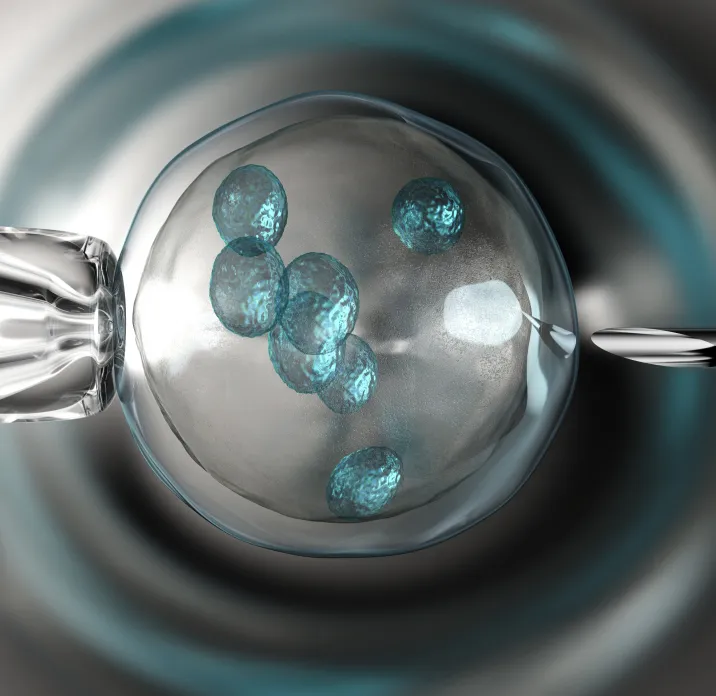
In-vitro fertilisation (IVF) is a form of assisted reproductive technology (ART) that helps individuals and couples experiencing fertility challenges. The process involves fertilising an egg with sperm in a laboratory to create an embryo, which is then transferred into the uterus with the aim of achieving pregnancy.
For many people, the decision to pursue IVF comes after months or years of trying to conceive naturally. Others may be advised to consider IVF because of underlying medical conditions that affect fertility. Understanding how the treatment works and what to expect can help you make informed decisions about your reproductive health and family-building goals.
Medically reviewed by Dr Christopher Ng, Consultant Obstetrician & Gynaecologist
What Is IVF?
IVF is a fertility treatment in which eggs and sperm are combined outside the body in a specialised laboratory. Once fertilisation occurs, the resulting embryos are monitored for several days before a selected embryo is transferred into the uterus.
IVF remains one of the primary treatment options for women with severely damaged or blocked fallopian tubes. It is also suitable for couples with conditions like endometriosis, ovulatory dysfunction, unexplained infertility, failed superovulation intra-uterine insemination (SOIUI), sperm disorders and immunological problems.
As IVF involves several stages and requires close monitoring, a comprehensive consultation is typically performed before treatment begins. This allows your fertility specialist to review your medical history, discuss potential treatment options and answer any questions you may have about the process.
Following the consultation, the couple will need to undergo various blood tests and health screenings for infectious diseases, semen analysis, ovarian reserve evaluation and nutritional advice.


Who Is a Suitable Candidate for IVF Treatment?
Couples seeking IVF will first undergo a detailed infertility evaluation to assess their reproductive health and identify any underlying factors that may be affecting their ability to conceive. While IVF can be highly effective for certain conditions, it is important to start treatment only when you feel physically, emotionally and financially prepared for the journey ahead.
IVF is usually recommended to couples experiencing infertility caused by:
Endometriosis
Women with conditions such as endometriosis may experience inflammation, scarring or anatomical changes that can make conception more challenging. IVF can help bypass some of these barriers by facilitating fertilisation outside the body.Tubal Factor Infertility
Damage, scarring or blockage of the fallopian tubes can prevent the egg and sperm from meeting naturally. IVF bypasses the fallopian tubes entirely, making it a commonly recommended treatment for this condition.Low Ovarian Reserve
A reduced ovarian reserve means fewer eggs remain in the ovaries. While IVF cannot increase the number of available eggs, it may help maximise the use of the eggs that are present.Low Sperm Count and Motility
Male factor infertility can affect fertilisation rates. IVF, particularly when combined with intracytoplasmic sperm injection (ICSI), may improve the likelihood of successful fertilisation by injecting a single sperm directly into an egg.Ovulation Dysfunctions
Conditions such as polycystic ovary syndrome (PCOS) can interfere with regular ovulation. IVF may be recommended when other fertility treatments have not resulted in pregnancy.Unexplained Infertility
In some cases, fertility investigations do not identify a clear cause despite difficulty conceiving. IVF may be considered after other treatment approaches have been explored.Age-Related Fertility Decline
Female fertility gradually declines with age, particularly after the age of 35. Egg quantity and quality naturally decrease over time, which may reduce the likelihood of natural conception and increase the risk of chromosomal abnormalities.Premature Ovarian Insufficiency (POI)
Unlike age-related fertility decline, premature ovarian insufficiency occurs when ovarian function decreases earlier than expected, often before the age of 40. Women may experience irregular periods, reduced egg production or early menopause. Fertility treatment options depend on the remaining ovarian function and individual circumstances.

Don't Wait to Understand Your Fertility Health
Seeking medical advice sooner rather than later may provide a wider range of treatment possibilities.


How to Prepare for IVF
Preparing for IVF involves more than simply attending appointments and taking medication. Your overall health can influence how your body responds to treatment and may affect embryo development and implantation.
Before treatment begins, your doctor may recommend:
- Following a balanced and nutritious diet
- Maintaining a healthy weight
- Engaging in regular physical activity
- Taking prenatal supplements, including folic acid when appropriate
- Limiting caffeine intake
- Avoiding smoking
- Avoiding or reducing alcohol consumption
- Managing stress levels through healthy coping strategies
While these measures cannot guarantee a successful outcome, they may support overall well-being, improve treatment response and help create a healthier environment for pregnancy.
Step-by-Step Process of the IVF Procedure
IVF involves several carefully coordinated stages that occur over a number of weeks. Each stage plays an important role in supporting fertilisation, embryo development and implantation.
IVF Stage 1: Ovarian Stimulation
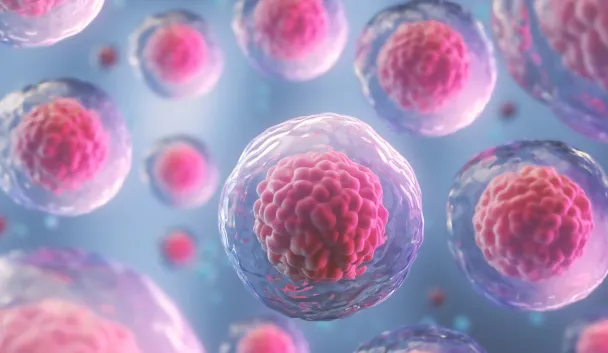
To increase the number of eggs, daily fertility hormonal injections are given for a 10- to 12-day period to stimulate the ovaries to produce multiple mature eggs during a stimulated cycle. Patients usually administer these injections at home. Ultrasound scans and blood tests are done every few days to assess the growth of the eggs. The dose of the hormones injected may be adjusted accordingly to ensure optimal growth of the eggs.
IVF Stage 2: Egg Collection
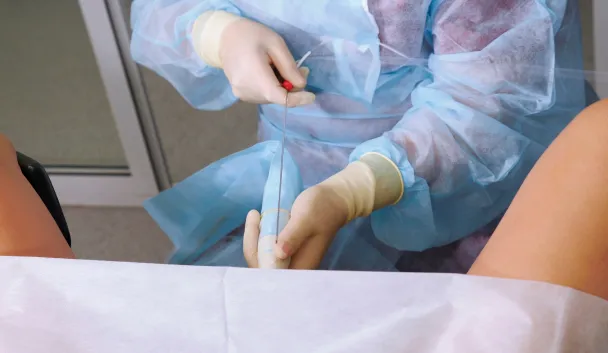
Egg retrieval is performed using ultrasound guidance and a specialised needle passed through the vaginal wall. Sedation is commonly used to help minimise discomfort during the procedure.
Most patients are able to return to light daily activities within one or two days, although recovery experiences may vary.
IVF Stage 3: Fertilisation
A semen sample is collected on the day of egg retrieval. In many cases, men are advised to abstain from ejaculation for several days beforehand to optimise sperm quality.
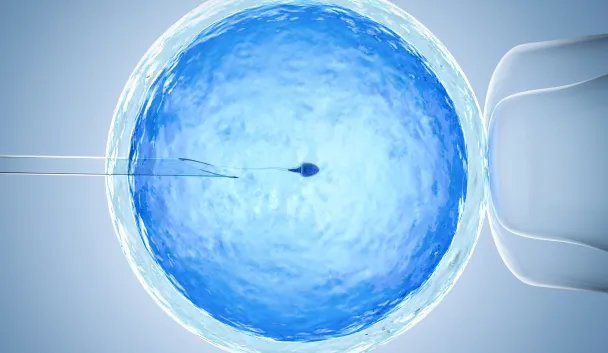
The laboratory team prepares and selects suitable sperm for fertilisation. Depending on the circumstances, fertilisation may occur through conventional IVF or ICSI, where a single sperm is injected directly into each mature egg.
Following fertilisation, embryos are cultured and monitored closely over the next few days. Their development is assessed to help identify embryos suitable for transfer or cryopreservation.
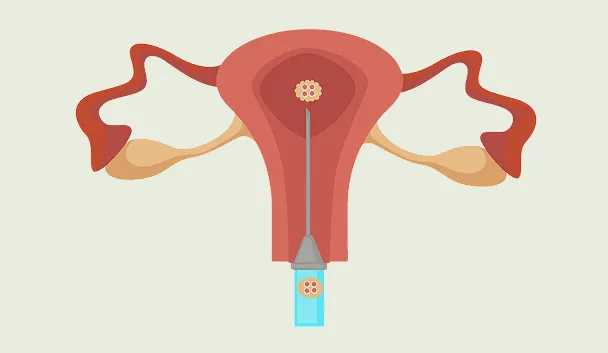
IVF Stage 4: Embryo Transfer
The embryologist will carefully monitor the growth of the embryos for the next few days and select the most suitable ones for embryo transfer. A maximum of two embryos can be transferred into the uterus using a fine catheter. Any extra good-quality embryos will be frozen and stored for future use.
The patient will be given daily hormonal support to maintain the lining of the uterus (endometrium) and to enhance the chances of the embryos implanting. A pregnancy test is then performed 14 to 17 days after embryo transfer at our IVF clinic.
The pregnancy rates for IVF-ICSI treatments at our IVF clinic vary according to various factors such as the patient’s age (woman in particular), the quality of eggs and sperms, the duration of infertility and the general state of health of the couple, among the other male and female infertility factors. Generally, women below the age of 35 have a higher chance of conceiving.
Considering IVF?
Speak to Dr Christopher Ng to learn more about IVF and discuss whether it may be suitable for your circumstances.
What Are the Risks Associated with IVF Treatment?
While IVF is a well-established fertility treatment, it is important to understand the potential risks associated with the procedure before starting treatment.
Multiple Pregnancies
Transferring more than one embryo increases the likelihood of twins or higher-order multiple pregnancies. Multiple pregnancies are associated with a higher risk of complications such as premature birth, low birth weight, gestational diabetes and pregnancy-related hypertension.
Ovarian Hyperstimulation Syndrome (OHSS)
OHSS occurs when the ovaries respond excessively to fertility medications. Symptoms can range from mild abdominal discomfort and bloating to more significant swelling and fluid accumulation. However, modern IVF protocols have substantially reduced the incidence of severe OHSS.
Complications During Egg Retrieval
Complications during egg retrieval are unlikely but may include bleeding, infection, and damage to the bowels or bladder.
Ectopic Pregnancy
An ectopic pregnancy occurs when an embryo implants outside the uterus, most commonly within a fallopian tube. Although uncommon after IVF, it remains a recognised risk that requires prompt medical attention.
Miscarriage
Miscarriage can occur after both natural conception and IVF treatment. The risk is influenced by several factors, particularly maternal age and embryo quality.
What Are the Side Effects of IVF Treatment?
Side effects vary between individuals and depend on the medications used during treatment. While many symptoms are mild and temporary, you should inform your doctor if you experience persistent discomfort or deteriorating symptoms.
Breast Tenderness Due to Hormonal Changes
Rising hormone levels during treatment can lead to breast sensitivity or fullness.Mild Bloating, Cramping and Constipation
Temporary abdominal discomfort may occur as the ovaries respond to stimulation.Nausea or Vomiting
Some fertility medications may cause mild digestive discomfort.Hot Flushes or Night Sweats
Hormonal fluctuations can occasi onally affect temperature regulation.Light Vaginal Spotting or Bleeding
Minor spotting may occur after procedures or during hormonal treatment.Bruising at Injection Sites
Small areas of bruising, redness or tenderness can develop where injections are administered.Headaches
Hormonal changes associated with IVF medications may trigger headaches in some patients.
What to Expect After the IVF Procedure
After embryo transfer, some patients may experience mild cramping, light vaginal spotting or bleeding for a few days. These symptoms are usually temporary and do not necessarily indicate whether the treatment has been successful.
Supporting Implantation
To help prepare the uterine lining for implantation, your fertility specialist will typically prescribe hormonal medications such as progesterone. It is important to take these medications exactly as directed throughout this stage of treatment.Pregnancy Testing
Approximately 14 to 17 days after embryo transfer, you will return to the clinic for a pregnancy blood test.
Unlike a home urine pregnancy test, this blood test measures human chorionic gonadotropin (hCG), a hormone produced during pregnancy, providing a more accurate indication of whether implantation has occurred.
If the Treatment Is Successful
If pregnancy is confirmed, your gynaecologist will continue to monitor the pregnancy and provide ongoing care to support both maternal and foetal well-being.If the Treatment Is Unsuccessful
If the treatment cycle is unsuccessful, your fertility specialist will review the results with you and discuss the next steps. Depending on your individual circumstances, options may include:
- Using frozen embryos from a previous cycle
- Undergoing another IVF cycle
- Exploring other fertility treatment options
Concerned About Your Fertility? Start with a Conversation.
Proactive fertility assessments help us address potential challenges early, giving you greater clarity and control over your family-building plans.
Success Rate of IVF Treatments in Singapore
One of the most important factors influencing IVF outcomes is the woman's age. Generally, women under 35 years old have a 32% to 55% chance of conceiving through IVF, while women over 40 will have a success rate of only 1% to 10%.
Several other factors can also influence the likelihood of a successful outcome.
Egg, Sperm and Embryo Quality
The quality of the eggs and sperm plays a significant role in fertilisation and embryo development. Embryos that develop normally are generally more likely to implant successfully within the uterus.
Medical Conditions
Certain medical conditions may affect fertility treatment outcomes. These can include uterine abnormalities, ovarian dysfunction, endometriosis, hormonal disorders and male factor infertility. Managing underlying conditions appropriately may help optimise treatment outcomes.
Lifestyle Factors
Lifestyle habits can influence reproductive health in both men and women. Smoking, excessive alcohol consumption and obesity have been associated with reduced egg and sperm quality, which may affect fertilisation, embryo development and implantation.
Take the First Step Towards Understanding Your Fertility
Understanding your fertility health earlier allows potential issues to be addressed and helps you make informed decisions about your family-building journey.
Cost Considerations for IVF Treatments
The cost of IVF treatment varies depending on the complexity of the treatment plan and the services required.
Factors that may influence the overall cost include:
- Initial consultations and fertility investigations
- Type and dosage of fertility medications
- Number of IVF cycles required
- Laboratory procedures such as ICSI
- Embryo freezing and storage
- Additional fertility treatments or procedures
As every fertility journey is unique, a consultation is recommended to discuss your individual circumstances and obtain a clearer understanding of the anticipated costs involved.
Why Choose Our Clinic for IVF Treatments?
- Over 30 years of experience in women's health and fertility care
- Comprehensive fertility assessments for both female and male infertility factors
- Personalised IVF treatment plans tailored to your individual circumstances
- Evaluation and management of conditions such as endometriosis and PCOS
- Guidance and support throughout every stage of the IVF journey
- Continuity of care from fertility treatment through to pregnancy management with Dr Christopher Ng
IVF Treatment in Singapore with Dr Christopher Ng
Whether fertility difficulties are related to age, ovulation disorders, endometriosis, male factor infertility or unexplained causes, early assessment can provide valuable insights into the treatment options available.
At GynaeMD Women's & Rejuvenation Clinic in Singapore, Dr Christopher Ng provides personalised fertility assessment and IVF guidance tailored to each patient's needs. With more than three decades of experience in women's health, he supports patients through every stage of their fertility journey with evidence-based care and individualised treatment planning.
If you are ready to learn more about your fertility health and the treatment options available, schedule a consultation with Dr Christopher Ng for a personalised discussion tailored to your needs.

FAQs About IVF in Singapore
The number of IVF cycles required varies between individuals. Some patients fortunately achieve pregnancy after their first cycle, while others may require additional cycles depending on factors such as age, embryo quality and underlying fertility conditions.
Current evidence suggests that IVF does not significantly increase the risk of birth defects compared to natural conception. The health of the embryo is influenced by many factors, including parental age and underlying genetic conditions.
Gender selection for non-medical reasons is not permitted in Singapore. The use of embryo sex selection is generally prohibited unless there is a recognised medical indication, such as the prevention of certain inherited sex-linked genetic disorders. Your doctor can advise you on the applicable regulations and whether any exceptions may apply.
The appropriate timing varies depending on your treatment plan and medical history. Many patients are able to consider another cycle after at least one menstrual cycle, following review by their gynaecologist.
Most patients find IVF manageable, although some stages may cause temporary discomfort. Ovarian stimulation can lead to bloating, pelvic pressure or mild cramping as the ovaries enlarge in response to medication. Egg retrieval is performed under sedation, which helps minimise discomfort during the procedure. Some mild cramping or spotting may occur afterwards, but these symptoms usually resolve within a few days.
After embryo transfer, most patients can resume their usual daily activities. However, your gynaecologist may advise avoiding smoking, alcohol consumption and strenuous physical activity during the waiting period before the pregnancy test. It is also important to continue prescribed medications as instructed and attend all follow-up appointments.
Consider factors such as the experience of the fertility specialist, the range of fertility services available and the level of support provided throughout treatment. It is also important to choose a clinic where you feel comfortable discussing your concerns and treatment goals.
You may benefit from seeing a fertility specialist if you have been trying to conceive without success, have known fertility-related conditions or have concerns about your reproductive health. In general, women under 35 are often advised to seek assessment after one year of trying to conceive, while women aged 35 and above may benefit from earlier evaluation after six months due to the detrimental impact of age on fertility.
Infertility Services We Provide

Whether you are taking your first steps into fertility care or considering in-vitro fertilisation (IVF), our personalised treatment plans and support helps you navigate your options with clarity and confidence


Meet Our IVF Doctor
Dr Christopher Ng
Consultant Obstetrician & Gynaecologist in Singapore
Qualifications & Credentials
- Bachelor of Medicine, Bachelor of Surgery (Imperial College, UK)
- Master of Medicine in Obstetrics and Gynaecology (Singapore)
- Fellow of the Royal Australian and New Zealand College of Obstetricians and Gynaecologists
- Fellow of the Academy of Medicine, Singapore (Obstetrics & Gynaecology)
Dr Christopher Ng is a dedicated obstetrician and gynaecologist with over three decades of experience. Having been educated and trained in Singapore, the UK and the US, Dr Ng brings with him a wealth of experience and medical knowledge that puts his patient’s wellbeing to the fore.
Dr Ng also complements his practice with aesthetics and has obtained Certificates of Competence in all aesthetic procedures recognised by the Singapore Medical Council Aesthetic Practice Oversight Committee.
With over 30 years of dedicated service in the field of women’s health and rejuvenation, Dr Ng remains steadfast in his commitment to provide compassionate, personalised and effective care to all his patients.
Dr Christopher Ng is a dedicated obstetrician and gynaecologist with over three decades of experience. Having been educated and trained in Singapore, the UK and the US, Dr Ng brings with him a wealth of experience and medical knowledge that puts his patient’s wellbeing to the fore.
Dr Ng also complements his practice with aesthetics and has obtained Certificates of Competence in all aesthetic procedures recognised by the Singapore Medical Council Aesthetic Practice Oversight Committee.
With over 30 years of dedicated service in the field of women’s health and rejuvenation, Dr Ng remains steadfast in his commitment to provide compassionate, personalised and effective care to all his patients.

1 Orchard Boulevard, #04-03A Camden Medical Centre, Singapore 248649


Phone:+65 6733 8810
Fax:+65 6733 8850
After Office:+65 6535 8833
Email:gynaemd@singnet.com.sg
Mon - Friday:0900h to 1730h
Saturday:0900h to 1300h
Lunch Break:1300h to 1400h
Closed on Public Holiday and Sunday