 6733 8810
Uterine Fibroids in Singapore

Dr Christopher Ng
Consultant Obstetrician & Gynaecologist
MBBS (Imperial College, UK), MMed (O&G) (S’pore), FRANZCOG (Aust-NZ), FAMS (O&G) (S’pore)
Uterine fibroids are among the most common gynaecological conditions affecting women during their reproductive years. While many women may never experience symptoms, others may notice changes such as heavier periods, pelvic pressure, abdominal bloating or difficulties conceiving. In some cases, fibroids can affect daily activities, work, relationships and overall quality of life.
The good news is that a range of management options are available. Depending on your symptoms, age, fertility goals and the characteristics of the fibroids, treatment may range from monitoring and medication to minimally invasive procedures or surgery.
Book an Appointment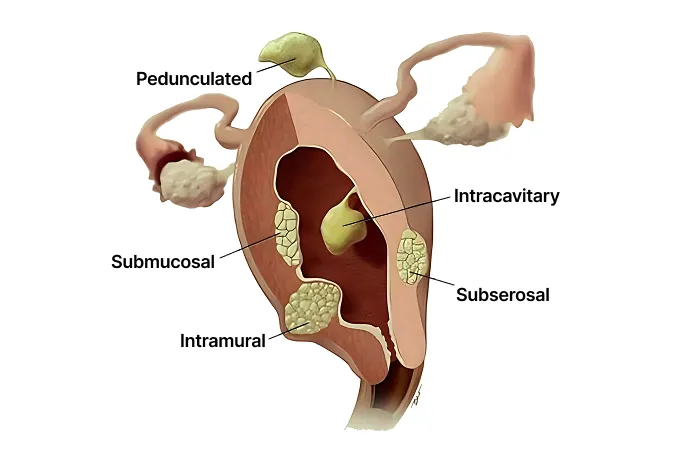


What Are Uterine Fibroids?
Uterine fibroids are non-cancerous growths that develop in or around the uterus. Also known as myomas or leiomyomas, they are among the most common gynaecological conditions affecting women during their reproductive years. It is estimated that approximately 30% of women aged 35 and above have uterine fibroids.
Fibroids are made up of smooth muscle cells and fibrous connective tissue. They can vary greatly in size, ranging from small growths that may go unnoticed to larger masses that can enlarge the uterus and cause abdominal distension. Depending on their size and location, fibroids may place pressure on nearby organs, leading to symptoms such as pelvic pressure, frequent urination or difficulty passing stools. Some women may also experience heavy or prolonged menstrual bleeding, while others may encounter fertility challenges or pregnancy-related complications.
However, the risk of the fibroid being cancerous remains low and for the majority of women, it does not cause any symptoms nor affect daily activities.
What Are the Different Types of Uterine Fibroids?
The position of a fibroid within the uterus can influence both its symptoms and its potential impact on reproductive health. Understanding the different types of fibroids can help explain why treatment recommendations vary from one woman to another.
Submucosal Fibroids
Submucosal fibroids grow beneath the inner lining of the uterus and protrude into the uterine cavity. Even relatively small submucosal fibroids may cause heavy menstrual bleeding and fertility-related problems.
Intramural Fibroids
Intramural fibroids develop within the muscular wall of the uterus. This is the most common type of fibroid and may contribute to heavy periods, pelvic pressure and enlargement of the uterus.
Subserosal Fibroids
Subserosal fibroids form on the outer surface of the uterus. As they enlarge, they may press against nearby organs such as the bladder or bowel, leading to urinary or digestive symptoms.
Pedunculated Fibroids
Pedunculated fibroids are attached to the uterus by a stalk-like structure. They may grow either inside or outside the uterus and can occasionally cause pain if the stalk twists.


What Are the Signs & Symptoms of Uterine Fibroids?
Fibroids do not always cause symptoms, and many women may only discover they have them during a routine health screening or gynaecological examination. When symptoms do occur, they can vary depending on the size, number and location of the fibroids.
Heavy or Prolonged Menstrual Bleeding
Fibroids can cause heavier menstrual bleeding, periods lasting longer than usual, the passage of blood clots or bleeding between periods. Over time, excessive blood loss may increase the risk of iron deficiency anaemia.
Pelvic Pain or Pressure
Some women experience painful periods, pelvic discomfort or a feeling of pressure in the lower abdomen. Larger fibroids may also contribute to lower back pain or discomfort during sexual intercourse.
Abdominal Fullness or Bloating
As fibroids grow, they can enlarge the uterus and create a sensation of fullness, bloating or cramping in the lower abdomen.
Urinary or Bowel Symptoms
Fibroids may press on nearby organs, causing frequent urination, constipation, bloating or difficulty passing stools.
Fertility and Pregnancy Concerns
Certain fibroids may affect fertility or pregnancy by altering the shape of the uterine cavity. In some cases, they may interfere with implantation or increase the risk of miscarriage.

Find Out Whether Fibroids Are Causing Your Symptoms
An assessment from Dr Christopher Ng can help determine the cause of your symptoms and whether treatment may be beneficial.
What Causes Uterine Fibroids?
Although the exact cause of uterine fibroids is not fully understood, the following have been found to be possible factors contributing to the development of fibroids:
Hormonal Influences
Oestrogen and progesterone are believed to stimulate fibroid growth. This may explain why fibroids commonly develop during the reproductive years and often shrink after menopause when hormone levels decline.
Genetics
A family history of fibroids may increase the likelihood of developing them. Women with a close relative who has fibroids may be at higher risk.
Researchers have also identified genetic changes within fibroid tissue that differ from normal uterine muscle cells, suggesting that certain genetic alterations may contribute to their formation.
Race
Afro-Caribbean women are 2-3 x more likely to develop fibroids compared to Caucasian women. Higher rates of fibroid have also been associated with South, East, and Southeast Asian populations compared to a Caucasian population.
Extracellular Matrix and Collagen
Fibroids contain increased amounts of extracellular matrix, which includes proteins such as collagen. This dense tissue structure contributes to their firmness and may influence how they grow over time.
Who Is at Risk of Uterine Fibroids?
Although the exact cause of uterine fibroids is not fully understood, studies have identified several factors that appear to be associated with an increased risk of developing these growths.
Age
Fibroids are most commonly diagnosed during the reproductive years, particularly between the ages of 30 and 50.
Family History
Women with a family history of uterine fibroids may be at a higher risk of developing them. This increased likelihood is particularly observed when close female relatives, such as a mother or sister, have been affected.
Race
Afro-Caribbean and Asian women have a higher incidence of fibroids compared to a Caucasian women.
Obesity
Higher body weight is associated with an increased risk of fibroid development, possibly because body fat influences hormone production.
Dietary Factors
A diet high in red meat and low in fruits and vegetables has been linked to an increased risk in some studies.
Excessive Alcohol Consumption
Frequent alcohol intake may contribute to a higher risk of fibroid growth.
High Blood Pressure
Research suggests a possible association between hypertension and fibroid development.
No Previous Pregnancy
Women who have never been pregnant may have a slightly higher risk compared to those who have previously carried a pregnancy.
How Are Uterine Fibroids Diagnosed?
Diagnosis usually begins with a discussion of your symptoms and medical history, followed by a physical or pelvic examination.
Further investigations may include:
Ultrasound and MRI Scans
Ultrasound is often the first imaging test used to identify fibroids and assess their size, number and location. MRI scans may be recommended when more detailed information is required, particularly to aid in treatment planning.Hysterosonography (Saline Infusion Sonography)
This specialised ultrasound procedure uses sterile saline to improve visualisation of the uterine cavity and may help identify submucosal fibroids.Hysteroscopy
A thin telescope is passed through the cervix into the uterus to examine the uterine cavity and identify fibroids located within it.
Don't Let Fibroid Symptoms Disrupt Your Daily Life
From heavy menstrual bleeding to pelvic discomfort and fertility concerns, early assessment can help you better understand your condition and treatment options.
What Are the Treatments for Uterine Fibroids?
Treatment depends on factors such as symptom severity, fibroid size and location, age, fertility goals and the impact on your daily activities.
Small fibroids that are not causing symptoms may not require active treatment and can often be monitored through regular follow-up consultations and imaging studies. When treatment is required, options may include the following:
Medication
Medication may help relieve symptoms such as heavy menstrual bleeding, pelvic discomfort and painful periods. Certain medications may also temporarily shrink fibroids. However, medication does not permanently remove fibroids.
Gonadotropin-Releasing Hormone (GnRH) Agonists
GnRH agonists work by temporarily reducing oestrogen levels, which can help shrink fibroids and reduce symptoms. They are typically used for short-term treatment, often before surgery, and are generally not recommended for longer than six months due to potential menopausal side effects.Progestin-Releasing Intrauterine System (IUS)
A progestin-releasing intrauterine system may help reduce heavy menstrual bleeding associated with fibroids in selected women. However, it does not shrink existing fibroids.Tranexamic Acid
Tranexamic acid helps reduce menstrual blood loss during periods and may be suitable for women who prefer to avoid hormonal treatment. It is taken during menstruation and does not affect the size of fibroids.Combined Oral Contraceptive Pills
Combined oral contraceptive pills may help regulate menstrual cycles and reduce heavy menstrual bleeding. They can help manage symptoms but do not eliminate fibroids.
High-Intensity Focused Ultrasound (HIFU)
HIFU uses focused ultrasound energy to treat fibroid tissue without surgical incisions. It may be suitable for selected women, depending on fibroid size, number, location and treatment goals.
Uterine Artery Embolisation (UAE)
UAE is a minimally invasive procedure that reduces blood flow to fibroids, causing them to shrink over time. It may be an option for women seeking an alternative to surgery, although suitability should be assessed carefully, especially for those planning future pregnancy.
Myomectomy
A myomectomy removes fibroids while preserving the uterus and may be considered for women who wish to maintain fertility. The procedure can be performed using laparoscopic, open or hysteroscopic techniques, depending on the characteristics and location of the fibroids. Although symptoms often improve after surgery, new fibroids may develop in the future.
Hysterectomy
A hysterectomy removes the uterus and provides definitive treatment for uterine fibroids. Because pregnancy is no longer possible after hysterectomy, this option is generally considered for women who have completed their families or when other treatments are unsuitable. The procedure may be performed laparoscopically or through an open surgical approach.
Recovery and Long-Term Management
Managing uterine fibroids does not necessarily end with treatment. Recovery, follow-up care and ongoing monitoring can all play a role in supporting your long-term health and well-being.
Follow-Up After Treatment
Regular follow-up appointments may be recommended to monitor symptoms, assess treatment response and evaluate whether fibroids are changing in size. The frequency of follow-up will depend on the treatment received and your individual circumstances.
Recovery After Procedures and Surgery
Recovery varies according to the type of treatment performed. Minimally invasive procedures such as HIFU, UAE and hysteroscopic procedures generally involve shorter recovery periods than open surgery. Your doctor will advise you on activity restrictions, follow-up care and any ongoing monitoring that may be required.
What Happens If Fibroids Are Left Untreated?
Not all fibroids require treatment. However, untreated symptomatic fibroids may lead to:
- Persistent heavy menstrual bleeding
- Iron deficiency anaemia
- Ongoing pelvic pain or pressure
- Bladder or bowel symptoms
- Fertility challenges
- Pregnancy-related complications
Medical review should be sought if you experience severe bleeding, worsening pelvic pain, rapid enlargement of the abdomen, difficulty passing urine or symptoms that interfere with daily activities.
Managing Uterine Fibroids with Dr Christopher Ng
Uterine fibroids can affect different aspects of your life, from your menstrual health and daily comfort to your fertility and future family plans. While not all fibroids require treatment, seeking medical advice can help you better understand your condition and the options available to you.
At GynaeMD Women's & Rejuvenation Clinic in Singapore, Dr Christopher Ng provides personalised care for women experiencing fibroid-related concerns. With over three decades of experience in women's health, he takes the time to understand each patient's symptoms, priorities and reproductive goals before recommending a treatment approach tailored to their individual needs.
Schedule a consultation with Dr Christopher Ng to discuss your symptoms and explore suitable treatment options today.

Frequently Asked Questions (FAQs) About Uterine Fibroids
Uterine fibroids are among the most common non-cancerous growths affecting women during their reproductive years. Many women do not experience symptoms and only discover fibroids during a routine health screening or gynaecological examination.
Fibroids do not usually disappear on their own during the reproductive years, although some may remain stable in size. After menopause, fibroids often shrink as hormone levels decline.
Fibroids are most commonly diagnosed during the reproductive years. Factors associated with an increased risk include a family history of fibroids, race, obesity, high blood pressure and certain dietary and lifestyle factors.
Some fibroids may affect fertility, depending on their size and location. Fibroids that distort the uterine cavity may interfere with implantation or increase the risk of miscarriage, although many women with fibroids are still able to conceive and have successful pregnancies.
Not all fibroids cause pain. However, some women may experience painful periods, pelvic discomfort, abdominal pressure or lower back pain, particularly when fibroids are large or press on nearby structures.
Fibroids can recur after a myomectomy because the procedure removes existing fibroids but does not prevent new ones from developing. Regular follow-up may be recommended to monitor for recurrence.
Many women with fibroids are able to conceive naturally and have healthy pregnancies. However, certain fibroids may affect fertility or increase the risk of pregnancy-related complications depending on their size and location.
Gynaecological Services We Provide

Support for Every Stage of Your Fibroid Journey
Whether you have recently been diagnosed or are exploring treatment options, Dr Christopher Ng can help you make informed decisions about your care.


Meet Our Fibroids Specialist
Dr Christopher Ng
Consultant Obstetrician & Gynaecologist in Singapore
Qualifications & Credentials
- Bachelor of Medicine, Bachelor of Surgery (Imperial College, UK)
- Master of Medicine in Obstetrics and Gynaecology (Singapore)
- Fellow of the Royal Australian and New Zealand College of Obstetricians and Gynaecologists
- Fellow of the Academy of Medicine, Singapore (Obstetrics & Gynaecology)
Dr Christopher Ng is a dedicated obstetrician and gynaecologist with over three decades of experience. Having been educated and trained in Singapore, the UK and the US, Dr Ng brings with him a wealth of experience and medical knowledge that puts his patient’s wellbeing to the fore.
Dr Ng also complements his practice with aesthetics and has obtained Certificates of Competence in all aesthetic procedures recognised by the Singapore Medical Council Aesthetic Practice Oversight Committee.
With over 30 years of dedicated service in the field of women’s health and rejuvenation, Dr Ng remains steadfast in his commitment to provide compassionate, personalised and effective care to all his patients.
Dr Christopher Ng is a dedicated obstetrician and gynaecologist with over three decades of experience. Having been educated and trained in Singapore, the UK and the US, Dr Ng brings with him a wealth of experience and medical knowledge that puts his patient’s wellbeing to the fore.
Dr Ng also complements his practice with aesthetics and has obtained Certificates of Competence in all aesthetic procedures recognised by the Singapore Medical Council Aesthetic Practice Oversight Committee.
With over 30 years of dedicated service in the field of women’s health and rejuvenation, Dr Ng remains steadfast in his commitment to provide compassionate, personalised and effective care to all his patients.

1 Orchard Boulevard, #04-03A Camden Medical Centre, Singapore 248649


Phone:+65 6733 8810
Fax:+65 6733 8850
After Office:+65 6535 8833
Email:gynaemd@singnet.com.sg
Mon - Friday:0900h to 1730h
Saturday:0900h to 1300h
Lunch Break:1300h to 1400h
Closed on Public Holiday and Sunday